
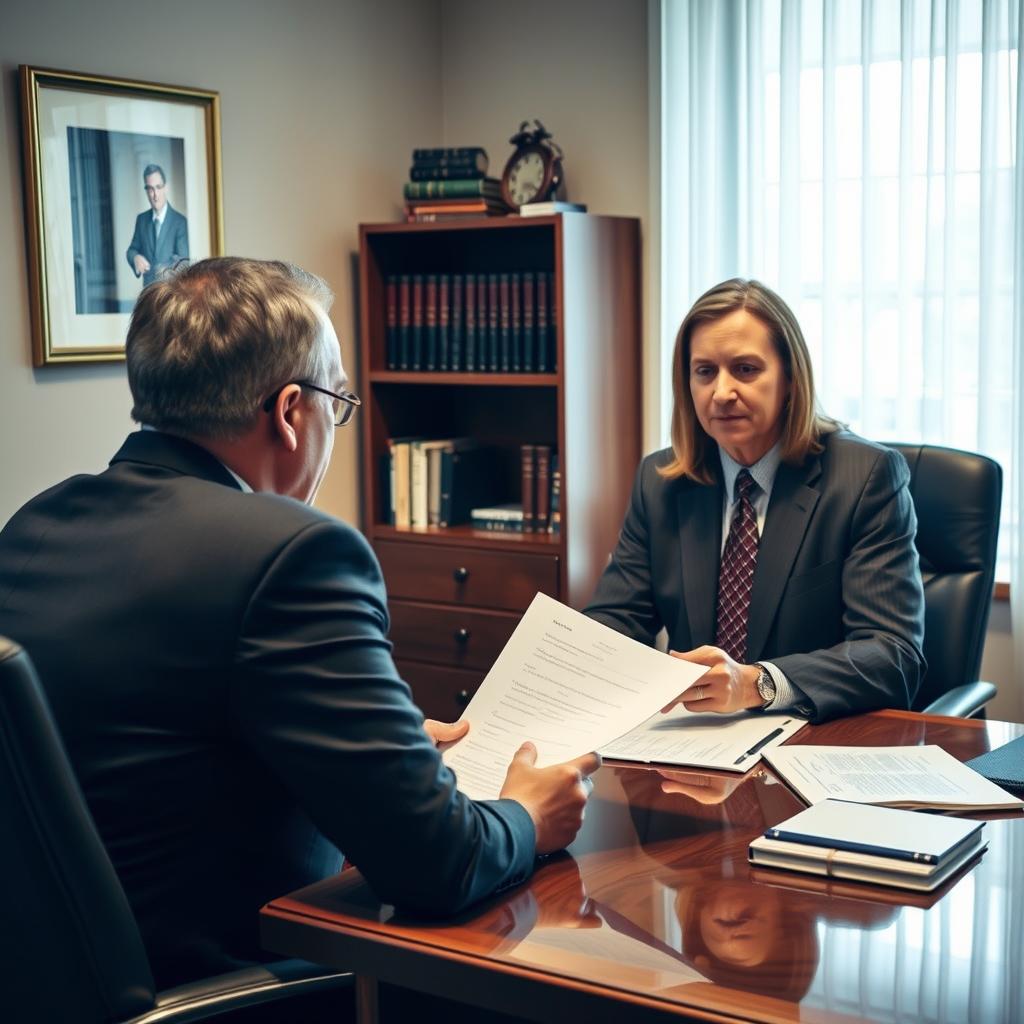
Paternity Dispute Lawyer Falls Church, VA
When biological fatherhood is legally contested in Falls Church, Virginia, the outcome can shape custody arrangements, child support obligations, and a parent’s relationship with their child for years to come. Paternity disputes in this independent city are handled under Virginia Code Title 20, with most matters heard in the Falls Church Juvenile and Domestic Relations District Court or, when tied to a divorce, the Falls Church Circuit Court at 300 Park Avenue, Suite 151W. The process involves statutory presumptions, DNA testing considerations, and best-interest standards that require a careful, fact-specific approach. Mr. Sris and his Of Counsel at Law Offices Of SRIS, P.C. Concentrate their family law practice on helping clients in Falls Church resolve paternity issues thoroughly and without unnecessary delay. To discuss how your situation fits within Virginia’s statutory framework, call (888) 437-7747 to request a consultation. The firm’s Fairfax location, at 4008 Williamsburg Court, serves clients throughout the Falls Church area by appointment. Law Offices Of SRIS, P.C. – Advocacy Without Borders.
What Paternity Disputes Mean in Falls Church, Virginia
Falls Church sits within the Seventeenth Judicial District of Virginia, where paternity cases follow established statutory procedures. The Falls Church Juvenile and Domestic Relations District Court has original jurisdiction over petitions to establish or disestablish paternity when the child’s parents are not married. That court also addresses related custody, visitation, and support orders. If a paternity question arises inside a divorce or equitable-distribution proceeding, the Falls Church Circuit Court handles the matter alongside the marital dissolution. A person who files a petition to determine parentage must be prepared to present evidence, comply with genetic testing requests, and meet the deadlines the court sets under its calendar.
Virginia law treats paternity as a threshold legal finding that carries significant consequences. Once parentage is established, the father gains rights to seek custody and visitation, and the obligation to pay child support under the Virginia child support guidelines. Conversely, if a man is presumed to be the father under Va. Code § 20-49.1 but wishes to rebut that presumption, he must act within the statutory framework and present clear and convincing evidence. The court may order DNA testing and will evaluate any existing acknowledgment-of-paternity forms signed at the child’s birth. Because the Falls Church courts apply the same evidentiary standards that govern all Virginia family-law proceedings, a party involved in a paternity dispute should understand both the substantive law and the local procedural expectations well before the first hearing.
How Mr. Sris and His Of Counsel Handle Paternity Dispute Cases
Mr. Sris and his Of Counsel begin each paternity matter by reviewing the factual background and identifying which statutory path applies—whether the case involves an unmarried mother seeking to establish paternity, an alleged father challenging a presumption, or a married party disputing parentage within a divorce action. The next step typically involves gathering relevant records, including any acknowledgment-of-paternity documents, hospital birth records, and prior court orders, and evaluating whether genetic testing is necessary or has already been performed. If testing is appropriate, the firm coordinates with accredited laboratories in compliance with Virginia’s chain-of-custody requirements so that the results are admissible in the Falls Church Juvenile and Domestic Relations or Circuit Court.
In court, Mr. Sris and his Of Counsel present the evidence that the court needs to make its finding, whether through scientific testimony, documentary evidence, or testimony from the parties. They work to ensure that the court understands the full legal effect of any parentage determination on custody, support, and inheritance rights. When settlement is possible—for example, by agreement on custody and support once paternity is confirmed—negotiation can reduce the time and expense of litigation. If the matter proceeds to hearing, the team’s familiarity with Virginia’s evidentiary standards and the Falls Church court practices helps clients present their positions effectively. Throughout the process, the attorneys provide guidance on what the court can and cannot decide at each stage, so clients know what to expect.
About Mr. Sris and His Of Counsel Team
Mr. Sris, Owner and Founder of Law Offices Of SRIS, P.C., has practiced law since 1997 and is a former prosecutor. He is admitted to practice in Virginia, Maryland, the District of Columbia, New Jersey, and New York. His experience includes testimony before the Virginia House Courts of Justice Committee in support of 2019 HB 635 (chief patron Del. David Bulova). Mr. Sris and his Of Counsel bring over 120 years of combined legal experience, drawing on a breadth of trial and negotiation work that spans multiple practice areas, with 4,739+ documented firm-wide results. Results may vary. The firm has documented 24 case results in Falls Church City across all practice areas, with favorable outcomes in every reported instance.
All non-owner attorneys at the firm serve as Of Counsel, providing collaborative representation under Mr. Sris’s direction. This structure ensures that each client benefits from a team approach grounded in the firm’s collective knowledge of Virginia family law and local court procedures. For paternity disputes, the team focuses on helping clients understand their statutory rights, protect their parental roles, and resolve the matter in a way that serves the child’s best interests.
Frequently Asked Questions
How is paternity established in Virginia?
Paternity in Virginia can be established through a written acknowledgment signed by both parents, by an administrative order when public assistance is involved, or by a court order after a petition is filed. Under Va. Code § 20-49.1, a man is presumed to be the father if he and the mother were married at the time of the birth or conception, but that presumption can be rebutted. For unmarried parents, filing a petition in the Falls Church Juvenile and Domestic Relations District Court initiates a proceeding where the judge may order genetic testing. If the test results indicate a high probability of paternity, the court enters an order establishing legal parentage, which triggers rights to custody, visitation, and the duty to pay support.
What happens if the alleged father disputes paternity?
When an alleged father disputes paternity, he should immediately raise the issue in court and request DNA testing through proper channels. The Falls Church court will consider the timing of the dispute—Virginia law limits how long an acknowledgment of paternity can be challenged after it is signed. If the court orders genetic testing and the results exclude him, the case may be dismissed. If the results confirm paternity, the court proceeds to address custody and support. Resolving a dispute early helps avoid the accumulation of support arrears and preserves the alleged father’s ability to seek a parental role if testing confirms the biological connection.
Can a presumed father challenge paternity through DNA testing?
Yes, a presumed father can request DNA testing in the Falls Church court, but the timeline and the strength of the existing presumption affect how the court handles the request. A man who was married to the mother at the time of birth or who signed an acknowledgment-of-paternity form may still seek to disestablish parentage by presenting evidence that he is not the biological father. The court will weigh the child’s best interests and consider factors such as the length of time the man has acted as the child’s parent. Prompt action is important because waiting too long can make it more difficult to overcome the presumption.
What are the legal effects of establishing paternity in Falls Church?
Once paternity is legally established, the father gains rights to petition for custody and visitation and becomes responsible for child support under the Virginia child support guidelines. The child also gains rights to inheritance from the father and eligibility for benefits such as Social Security or health insurance through the father. In the Falls Church Juvenile and Domestic Relations District Court, a parentage order can be followed by separate petitions for custody and support. If the paternity matter is part of a divorce, the Circuit Court will incorporate the parentage finding into the final decree, addressing custody, support, and equitable distribution in a single proceeding.
Do I need a lawyer for a paternity dispute in Falls Church?
While you are not legally required to hire a lawyer, having legal representation in a paternity dispute can help you navigate the statutory requirements and protect your parental rights. The Falls Church courts follow the same procedural rules that apply across Virginia, and self-represented litigants are held to the same standards as attorneys. An experienced family law attorney can ensure that genetic tests are properly ordered, that deadlines are met, and that the court considers all relevant factors before issuing an order that could affect your relationship with your child for years. For guidance on your specific situation, reach Law Offices Of SRIS, P.C. at (888) 437-7747.
Additional Family Law Pages:
Family Law Lawyer Fairfax County, VA • Family Law Lawyer Prince William County, VA • Family Law Lawyer Manassas, VA • Family Law Lawyer Manassas Park, VA
Virginia Primary Sources:
Virginia Code Title 20 – Domestic Relations • Virginia Judicial System
Attorney advertising. Prior results do not guarantee a similar outcome. Results may vary.
Case results depend on a variety of factors unique to each case.