
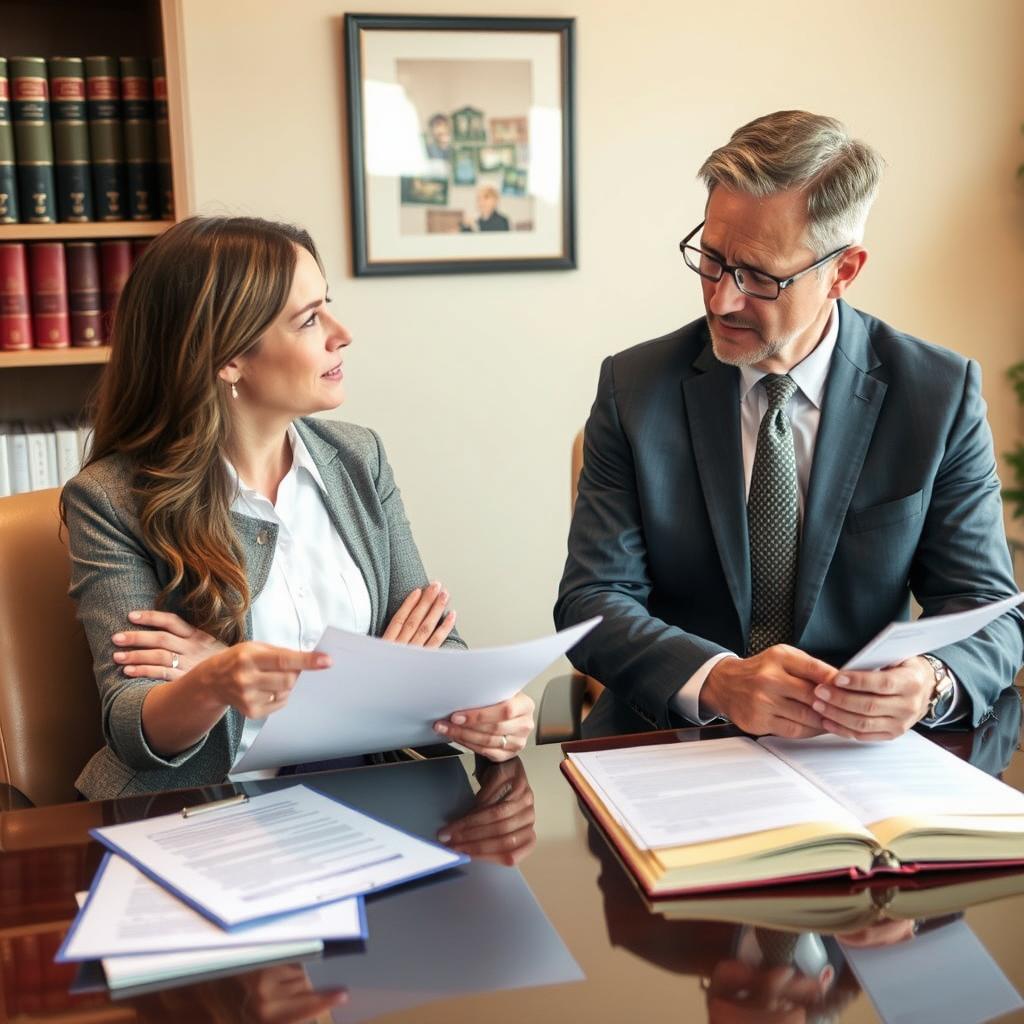
Minor Guardianship Lawyer Prince William County, VA
When a child’s parents are unable to care for them due to illness, incapacity, death, or other circumstances, a Virginia court can appoint a guardian to make decisions about the child’s upbringing, education, and welfare. This process is governed by Virginia Code § 64.2-2000 et seq. And may be initiated by a relative, a family member, or an interested party who seeks to ensure the child’s stability. In Prince William County, minor guardianship petitions are filed in either the Prince William County Juvenile and Domestic Relations District Court or the Prince William County Circuit Court, depending on the nature of the case and whether it arises alongside a divorce or child custody matter. India is not a signatory to the 1980 Hague Convention on Civil Aspects of International Child Abduction. Law Offices Of SRIS, P.C., founded in 1997, represents clients in minor guardianship proceedings throughout Prince William County and across Virginia. To discuss your situation, reach our location at (888) 437-7747. Law Offices Of SRIS, P.C. – Advocacy Without Borders.
What Minor Guardianship Means in Prince William County, Virginia
Minor guardianship in Virginia is distinct from child custody and is governed by a specific statutory framework. A guardian is appointed by the court when it finds that the child’s parents are deceased, incapacitated, or otherwise unable to meet the child’s needs, and that a guardianship serves the best interests of the child. The court may appoint a guardian of the person, a conservator for the child’s estate, or both. Types of guardianship recognized under Virginia law include temporary guardianship, emergency guardianship, standby guardianship, and kinship guardianship. The petitioner must demonstrate that less restrictive alternatives are unavailable or insufficient, and that the proposed guardian is suitable and will act in the child’s best interests.
In Prince William County, the Juvenile and Domestic Relations District Court handles standalone custody, visitation, support, and protective orders involving children. The Circuit Court may hear guardianship matters when they are part of a divorce or equitable distribution proceeding, and it also has authority over more complex petitions. The court will often appoint a guardian ad litem to investigate the circumstances and report to the judge. Throughout the process, the child’s safety, continuity of care, and the stability of the proposed home are central considerations. Because each case turns on its unique facts, having experienced counsel who understands the local court procedures can make a meaningful difference.
How Mr. Sris and His Of Counsel Handle Minor Guardianship Cases
Mr. Sris and his Of Counsel approach each minor guardianship matter with careful preparation and a focus on the child’s well-being. They guide clients through every stage, beginning with an evaluation of the situation to determine whether a guardianship petition is the appropriate legal tool. The team helps gather necessary documents, medical and school records, and evidence of the parents’ current circumstances, and then files the petition in the correct Prince William County court.
Once the petition is filed, the court may schedule a hearing and possibly appoint a guardian ad litem. Mr. Sris and his Of Counsel work to present a clear, fact-based case that demonstrates why the proposed guardianship serves the child’s best interests. They are familiar with the local practices of the Prince William County Juvenile and Domestic Relations District Court and Circuit Court, and they communicate with all involved parties—including social workers, relatives, and court evaluators—professionally and efficiently. The aim is to obtain an order that provides stability for the child while respecting the rights of all parties. Because no two families are alike, the team tailors its advocacy to the specific facts of each matter.
About Mr. Sris and His Of Counsel Team
Mr. Sris, Owner and Founder of Law Offices Of SRIS, P.C., is a former prosecutor admitted in Virginia, Maryland, the District of Columbia, New Jersey, and New York. He founded the firm in 1997 and has concentrated his practice on family law, including minor guardianship, for over two decades. Mr. Sris testified before the Virginia House Courts of Justice Committee in support of 2019 HB 635 (chief patron Del. David Bulova). Together with his Of Counsel, he brings a depth of legal knowledge and courtroom experience to matters involving children’s welfare.
Mr. Sris and his Of Counsel bring over 120 years of combined legal experience and have achieved over 4,739 documented firm-wide results. Results may vary. Their collective background includes regular appearances in the Prince William County Juvenile and Domestic Relations District Court and Circuit Court, offering clients detailed familiarity with local procedures and the expectations of the judges and court staff. The team is supported by professionals who assist with case preparation, document management, and client communication.
Frequently Asked Questions About Minor Guardianship in Virginia
What is minor guardianship in Virginia?
Minor guardianship is a court-ordered arrangement where an adult who is not the child’s parent is given legal authority to make decisions about the child’s care, education, and welfare. In Virginia, minor guardianship proceedings are governed by Va. Code § 64.2-2000 et seq. The court appoints a guardian when it determines that the parents are unable or unwilling to provide proper care and that guardianship serves the best interests of the child. The process may involve an investigation by a guardian ad litem, and the court retains ongoing jurisdiction to review the guardianship as circumstances change.
Who can file for minor guardianship in Virginia?
Any interested person, including a relative, family friend, or social services agency, may file a petition for the appointment of a guardian for a minor child. The petitioner must show that the current circumstances require court intervention and that the proposed guardian is suitable. Common petitioners include grandparents, aunts, uncles, or adult siblings who are already caring for the child. An attorney can help prepare the petition and assemble the supporting evidence required by the court.
What is the difference between guardianship and custody in Virginia?
Guardianship transfers legal decision-making authority from the parents to a guardian, while custody typically refers to physical care and control of the child after a divorce or separation. In Virginia, guardianship may be sought independently of a divorce and applies when parents are deceased, incapacitated, or otherwise unable to fulfill their parental duties. Custody cases are usually between parents and focus on parenting time and living arrangements. A guardianship order can coexist with a custody arrangement, and the same person may serve as both guardian and custodian if the court finds it appropriate.
How does the court decide whether to grant a minor guardianship in Prince William County?
The court considers the best interests of the child as the primary standard, evaluating factors such as the parents’ ability to care for the child, the child’s relationship with the proposed guardian, and the stability of the proposed placement. The judge may appoint a guardian ad litem to investigate and recommend what arrangement would serve the child’s welfare. The court will also assess whether any less restrictive alternatives, such as temporary custody to a relative without full guardianship, are feasible. The outcome depends on the specific evidence presented at the hearing.
What types of minor guardianship exist in Virginia?
Virginia law recognizes several forms of minor guardianship, including plenary guardianship, temporary guardianship, emergency guardianship, standby guardianship, and kinship guardianship. A plenary guardianship grants full decision-making authority to the guardian. Emergency guardianship is available when a child faces an immediate threat and time is critical. Temporary guardianship may be ordered for a limited period while the court gathers more information. Standby guardianship allows a parent to designate a future guardian in advance. Kinship guardianship places the child with a relative. The appropriate type depends on the family’s circumstances and the legal grounds available.
Do I need a lawyer for a minor guardianship case in Prince William County?
You are not legally required to have an attorney to file a minor guardianship petition, but experienced legal guidance can help ensure the petition is properly prepared and that your interests and the child’s welfare are effectively presented. The court process involves specific procedural requirements, notice obligations, and rules of evidence. An attorney can handle communications with the court and any guardian ad litem, and can advocate for the outcome that best serves the child. For guidance on your specific situation, reach Law Offices Of SRIS, P.C. at (888) 437-7747.
Family law representation in other Northern Virginia counties: Fairfax County family law lawyer | Stafford County family law lawyer | Fauquier County family law lawyer | Loudoun County family law lawyer | Arlington County family law lawyer
Attorney advertising. Prior results do not guarantee a similar outcome. Results may vary.
Case results depend on a variety of factors unique to each case.