
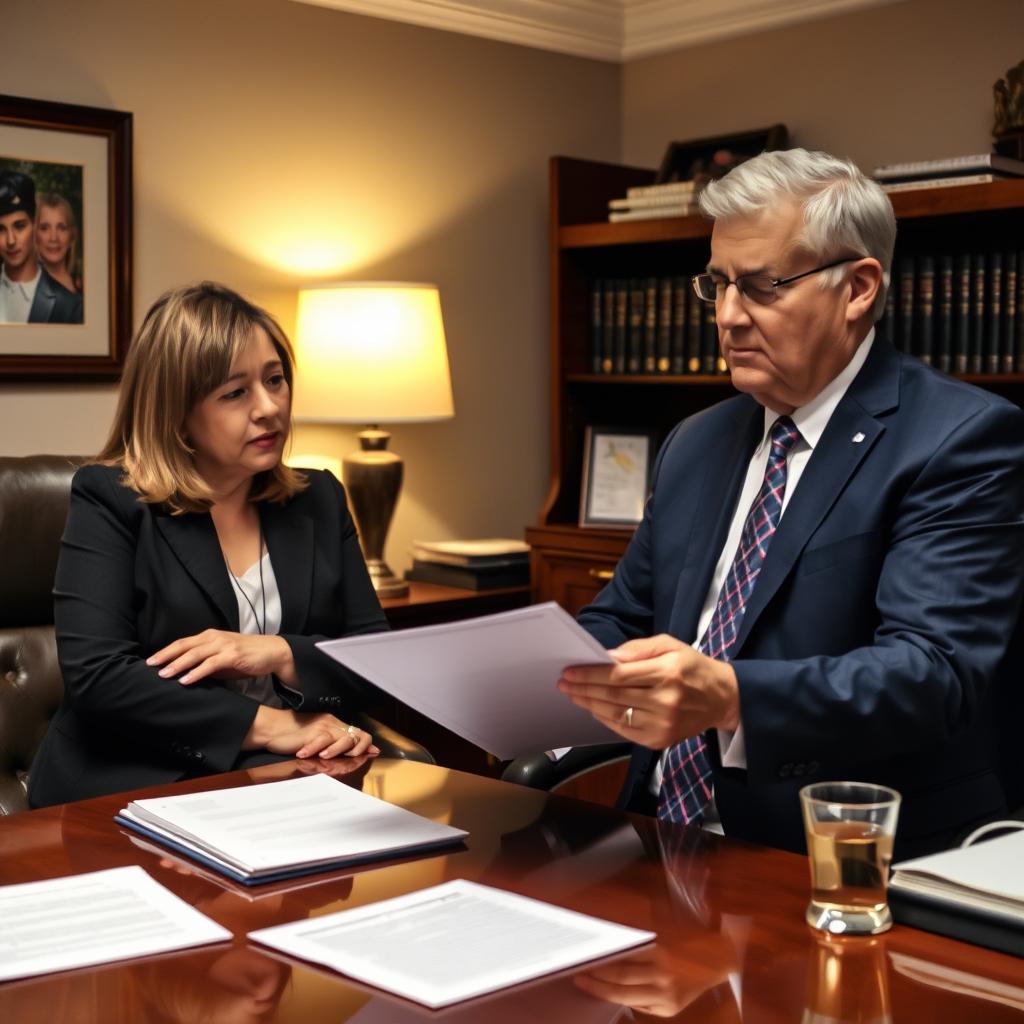
Property Settlement Lawyer Fairfax County, VA
When a marriage ends in Virginia, dividing the property acquired during the marriage is one of the most significant and sometimes contentious aspects of the divorce process. In Fairfax County, which includes communities such as Fairfax, Burke, Centreville, Chantilly, Herndon, Reston, McLean, Vienna, Tysons, Oakton, Springfield, Annandale, and Falls Church, the division of marital assets and debts is governed by Virginia’s equitable distribution statute, Va. Code § 20-107.3. The court does not simply split everything in half; it determines what is marital property and what is separate, then divides the marital estate fairly based on a list of statutory factors. Mr. Sris and his Of Counsel at Law Offices Of SRIS, P.C., founded in 1997 and practicing from the firm’s Fairfax location, concentrate their family law practice on property settlement matters for clients throughout Fairfax County. Reach our location at (888) 437-7747. Law Offices Of SRIS, P.C. – Advocacy Without Borders.
What Property Settlement Means in Fairfax County, Virginia
In a Virginia divorce, property settlement refers to the legal process of identifying, classifying, valuing, and distributing the assets and debts that the spouses accumulated during the marriage. The Fairfax County Circuit Court, located at 4110 Chain Bridge Road in Fairfax, has exclusive original jurisdiction over divorce and equitable distribution. The Fairfax County Juvenile and Domestic Relations District Court handles related support and custody matters, but the property division itself proceeds in the Circuit Court.
Virginia is an equitable-distribution state, meaning the court considers eleven factors under Va. Code § 20-107.3 when deciding what is fair. These factors include the contributions of each spouse to the well‑being of the family, how and when property was acquired, the duration of the marriage, the ages and health of the parties, the liquid or non‑liquid character of the assets, and the tax consequences of a proposed division. Separate property – property owned before marriage or received by gift or inheritance – is generally excluded from the marital estate, although it may be subject to classification disputes. The process is fact‑intensive, and the outcome depends heavily on the specific evidence presented.
How Mr. Sris and His Of Counsel Handle Property Settlement Cases
Mr. Sris and his Of Counsel approach property settlement as a matter of thorough preparation rather than positional negotiation. They begin by working with the client to identify every asset and debt, including real estate, retirement accounts, investment portfolios, business interests, and personal property. They then evaluate the proper classification of each item under Virginia law and, when necessary, engage forensic accountants and business valuation professionals to develop a complete financial picture. Their goal is to present the court with an accurate, well‑organized marital balance sheet that supports a fair result under the statutory factors.
In cases where the parties are able to cooperate, the team concentrates on crafting a comprehensive separation agreement that resolves all property issues without trial. When litigation is unavoidable, Mr. Sris and his Of Counsel draw on their collective courtroom experience to advocate for an equitable division, challenging opposing valuations and classification arguments where appropriate. The timeline for a property settlement varies with the complexity of the assets and the level of dispute, but the firm works to move each matter forward efficiently while protecting the client’s long‑term financial interests.
About Mr. Sris and His Of Counsel Team
Mr. Sris, Owner and Founder of Law Offices Of SRIS, P.C., is a former prosecutor who has practiced family law since the firm opened in 1997. He is admitted in Virginia, Maryland, the District of Columbia, New Jersey, and New York. His background includes testimony before the Virginia House Courts of Justice Committee in support of 2019 HB 635 (chief patron Del. David Bulova), a bill that revised the retirement‑asset provisions of Virginia’s equitable‑distribution statute. Mr. Sris maintains a personal focus on property settlement matters that involve complex assets or contested classification issues.
Mr. Sris and his Of Counsel bring significant legal experience to every property settlement case. The Of Counsel team includes attorneys with backgrounds in litigation, family law, and business valuation, all working collaboratively on each matter. The firm serves clients from its Fairfax location, with consultations available by appointment. Staff members who speak Spanish and Tamil are part of the team, helping the firm serve a diverse client base throughout Fairfax County and Northern Virginia.
Frequently Asked Questions
What is a property settlement in a Virginia divorce?
A property settlement is the legal process of dividing the marital assets and debts between spouses when a marriage ends in Virginia. The Fairfax County Circuit Court classifies property as either marital or separate, then distributes the marital estate equitably under Va. Code § 20-107.3. The court does not automatically split everything 50/50; it weighs eleven statutory factors to reach a fair outcome. The process can be resolved through a signed separation agreement or, if the parties cannot agree, through litigation and a judicial decree.
How does equitable distribution work in Fairfax County?
Virginia’s equitable distribution statute requires the court to divide marital property fairly, not necessarily equally. The Fairfax County Circuit Court first determines which property is marital (generally everything acquired during the marriage) and which is separate. It then values the marital assets and debts and considers the factors listed in Va. Code § 20-107.3, including each spouse’s contributions, the length of the marriage, and the tax consequences of the proposed division. The court issues a decree that assigns specific assets and debts to each spouse.
Do I need a lawyer for a property settlement in Fairfax County?
While Virginia law does not require you to have a lawyer to reach a property settlement, representation is important when significant assets, complex investments, or disputed classifications are involved. An experienced family law attorney can help identify hidden assets, ensure proper valuation of retirement accounts and business interests, and draft a legally enforceable separation agreement. Mr. Sris and his Of Counsel at Law Offices Of SRIS, P.C. provide representation in property settlement matters from the firm’s Fairfax location. Reach our location at (888) 437-7747.
How long does it take to finalize a property settlement?
The time needed to finalize a property settlement in Fairfax County depends on whether the parties can reach an agreement and the complexity of the assets involved. An uncontested case resolved through a signed separation agreement can be completed within a few months after the mandatory separation period. Contested cases that require court involvement, experienced attorney valuation, and hearings generally take longer. The court’s scheduling calendar and the extent of discovery also affect the timeline. Mr. Sris and his Of Counsel work to move each case forward efficiently within the procedural framework.
Can we resolve property division without going to court?
Yes, if both spouses agree on all property issues, they can sign a property settlement agreement and incorporate it into the divorce decree without a contested hearing. The agreement must be in writing and signed by both parties, and it must resolve all marital assets and debts. The Fairfax County Circuit Court will review the agreement for fairness before entering it as part of the final divorce order. Even in agreed cases, having an attorney review or draft the agreement helps ensure that it fully protects your rights and complies with Virginia law.
What factors does the court consider when dividing marital property?
The Fairfax County Circuit Court weighs eleven statutory factors under Va. Code § 20-107.3 to decide an equitable distribution. These factors include the monetary and non‑monetary contributions of each spouse to the family’s well‑being, the duration of the marriage, the ages and health of the parties, how and when property was acquired, the debts and liabilities of each spouse, the liquid or illiquid character of the assets, and the tax consequences of a proposed division. The court may also consider any other factors it deems necessary to reach a fair result.
Virginia Legal Resources
Official sources for family law statutes and court information:
Virginia Code Title 20 – Domestic Relations | Fairfax County Circuit Court
Attorney advertising. Prior results do not guarantee a similar outcome. Results may vary.
Case results depend on a variety of factors unique to each case.