
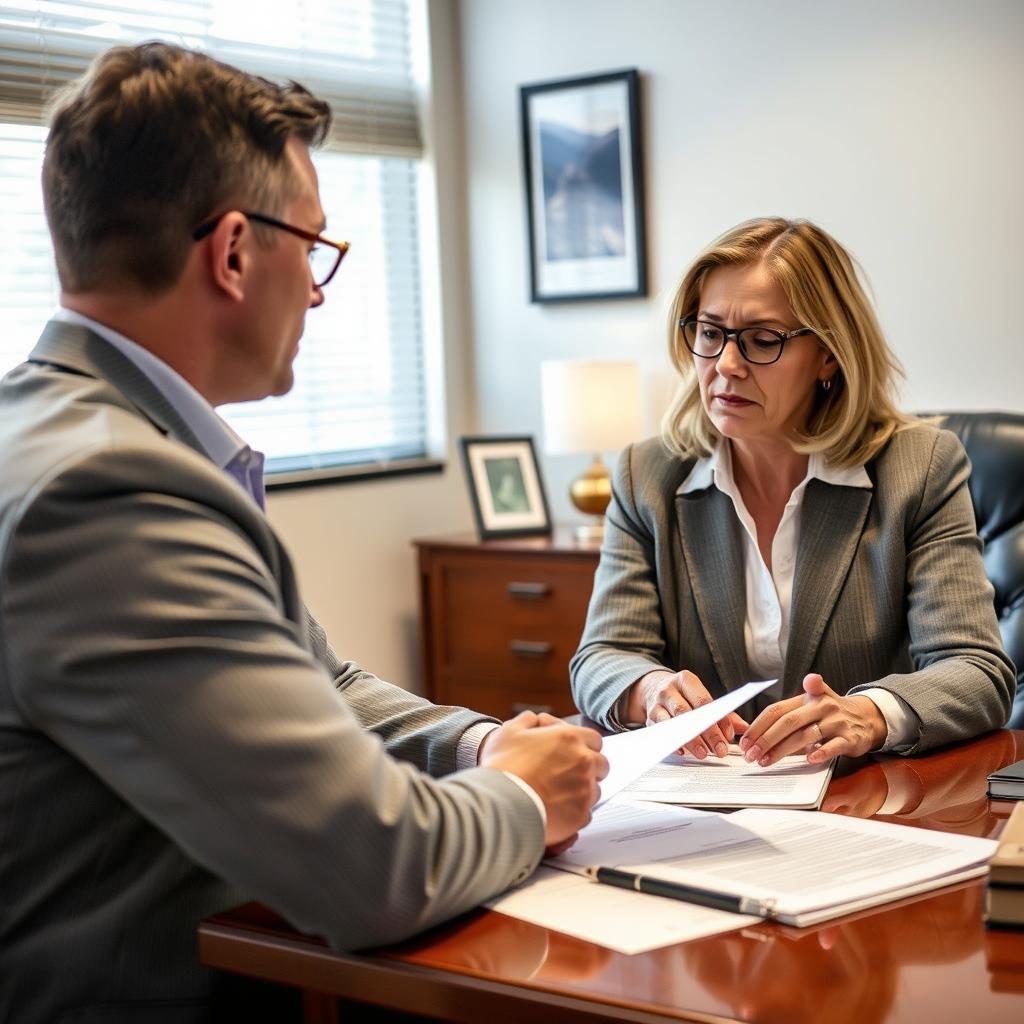
Fault Based Divorce Lawyer Manassas, VA
When a marriage ends and one spouse’s conduct contributed to the breakdown, Virginia law allows a fault‑based divorce. In Manassas, these cases are heard in the Manassas Circuit Court at 9311 Lee Avenue, Suite 230, where the court considers whether proof of adultery, cruelty, desertion, or a felony conviction warrants granting the divorce on fault grounds. A fault finding can affect property division, spousal support, and even whether a waiting period applies. Mr. Sris, Owner and Founder of Law Offices Of SRIS, P.C., has practiced family law since 1997 and understands how Virginia’s equitable‑distribution framework interacts with fault claims. His Of Counsel team brings additional depth to evidence gathering, negotiation, and litigation in fault‑based matters. For a consultation, reach our location at (888) 437-7747. Law Offices Of SRIS, P.C. — Advocacy Without Borders.
What Fault Based Divorce Means in Manassas, Virginia
Virginia Code § 20‑91 permits a divorce “from the bond of matrimony” on specified fault grounds: adultery; cruelty that creates a reasonable apprehension of bodily harm; willful desertion or abandonment for one year; and conviction of a felony with a sentence of more than one year. Unlike a no‑fault divorce that requires a separation period, a fault‑based divorce may proceed immediately after the grounds are proven at trial. The Manassas Circuit Court has exclusive original jurisdiction over divorce under Va. Code § 20‑96, and the presiding judge evaluates the evidence of fault when making decisions about property classification and distribution.
Because Virginia is an equitable‑distribution state, the court does not automatically split marital assets equally. Instead, it examines eleven factors listed in Va. Code § 20‑107.3, which include the circumstances and factors that contributed to the dissolution of the marriage—making a proven fault ground directly relevant to who receives what. In Manassas, the Circuit Court also hears related custody and support matters that may be influenced by a fault finding, so assembling credible testimony, documents, and any corroborating evidence is a priority from the start. Our Fairfax location regularly represents clients in Prince William County and the City of Manassas, and we are familiar with how the 31st Judicial District approaches these sensitive cases.
How Mr. Sris and His Of Counsel Handle Fault Based Divorce Cases
Preparing a fault‑based divorce requires a careful, evidence‑driven strategy. Mr. Sris and his Of Counsel begin by examining the factual basis for the alleged fault ground. For adultery, that often means gathering electronic records, financial statements, or witness statements that meet the “clear and convincing” standard. For cruelty, they compile medical or law‑enforcement records, as well as testimony from family members or counselors. Throughout discovery, they depose relevant witnesses and challenge any evidence that is inconsistent or insufficient to meet the statutory threshold.
Once the evidence is assembled, the matter may resolve through a negotiated property settlement agreement—particularly if the fault ground is strong enough to motivate the other side to reach a reasonable compromise. If settlement is not possible, Mr. Sris and his Of Counsel are prepared to present a compelling case at trial. They work with forensic accountants, business valuators, and other attorneys where complex marital assets are involved, and they handle every procedural step from filing the Complaint to post‑trial motions. The goal is to protect the client’s financial interests and any parenting claims while navigating the heightened emotions that fault allegations inevitably bring.
About Mr. Sris and His Of Counsel Team
Mr. Sris, Owner and Founder of Law Offices Of SRIS, P.C., is a former prosecutor who has concentrated his practice on family law for more than 28 years. He testified before the Virginia House Courts of Justice Committee in support of 2019 HB 635 (chief patron Del. David Bulova), the bill that revised Va. Code § 20‑107.3(g). His thorough understanding of Virginia’s equitable‑distribution statute informs every fault‑based matter he handles. Mr. Sris is admitted in Virginia, Maryland, the District of Columbia, New Jersey, and New York and keeps a limited personal caseload to remain closely involved in strategy.
Mr. Sris and his Of Counsel bring over 120 years of combined legal experience and have secured over 4,739 documented firm-wide results. Results may vary. The Of Counsel attorneys support the firm’s family‑law cases through legal research, motion practice, and courtroom advocacy, all while maintaining the client‑centered approach that has defined the firm since 1997. When you retain Law Offices Of SRIS, P.C., you gain access to a team that understands that fault allegations require both legal sophistication and discretion.
Frequently Asked Questions
What is a fault‑based divorce in Virginia?
A fault‑based divorce is one granted because one spouse’s misconduct caused the marriage to fail, based on grounds listed in Virginia Code § 20‑91. The recognized fault grounds are adultery, cruelty that creates fear of bodily harm, willful desertion for one year, or a felony conviction with a prison sentence of more than one year. Unlike a no‑fault divorce, which requires living separate and apart for a year (or six months with a signed agreement and no minor children), a fault‑based divorce may be filed without any waiting period. Because the court considers fault when dividing property and awarding support, establishing the ground with credible proof is essential.
How does proving fault affect property division and spousal support?
Proving fault can influence how marital property is divided and whether spousal support is awarded, because Virginia courts weigh the circumstances that led to the divorce. Under Va. Code § 20‑107.3, the equitable‑distribution factors include “the circumstances and factors that contributed to the dissolution of the marriage,” which allows the judge to consider fault. Additionally, a spouse who committed adultery may be barred from receiving permanent spousal support. However, fault is just one of several factors, and the court still aims for a fair overall result. An experienced attorney can present the fault evidence in a way that maximizes its impact on the financial settlement.
Do I need a lawyer to file for a fault‑based divorce in Manassas?
You are not required to hire a lawyer, but fault‑based divorces involve complex evidentiary rules and high stakes, making legal guidance extremely valuable. The Manassas Circuit Court requires that each ground be proven with sufficient evidence—for adultery, this often means clear and convincing proof rather than mere suspicion. An attorney can help gather admissible evidence, prepare witnesses, and protect your rights regarding property, support, and custody. Attempting to litigate a fault case on your own can lead to an unfavorable outcome that is difficult to reverse later.
How does the fault‑based divorce process work in Manassas?
The process begins with filing a Complaint in the Manassas Circuit Court, followed by discovery, possibly a pendente lite hearing, and then trial or settlement. After the Complaint is served, both sides exchange financial disclosures and evidence related to the alleged fault. The court may address temporary custody, support, or possession of the family home through pendente lite orders. Many cases settle before trial through a property settlement agreement, especially when the fault ground is likely to be proven. If no agreement is reached, a judge will hear testimony and decide whether the fault ground has been established and how assets should be divided.
How do I prove adultery or cruelty in a Virginia divorce?
Proof typically requires more than a suspicion; for adultery, the law demands clear and convincing evidence, while cruelty relies on a preponderance of the credible testimony. Evidence may include telephone records, hotel receipts, photographs, private‑investigator reports, or admissions by the other spouse. For cruelty, medical records, police reports, and testimony from witnesses who observed threatening or harmful conduct can be persuasive. Each case is unique, and an attorney can help identify the strongest admissible evidence while avoiding illegal or invasive methods that a court might exclude.
What should I bring to a consultation about a fault‑based divorce?
Bring any documents that relate to the marriage, the grounds you are alleging, and the couple’s finances. Helpful items include marriage certificate, tax returns, pay stubs, bank and investment account statements, deeds to real estate, records of debts, and any communications that support the fault claim, such as text messages, emails, or social‑media posts. Also list any witnesses who may have information about the alleged misconduct. The attorney will use this material to evaluate the strength of the fault ground and the likely range of financial outcomes.
Attorney advertising. Prior results do not guarantee a similar outcome. Case results depend on a variety of factors unique to each case. Results may vary.