
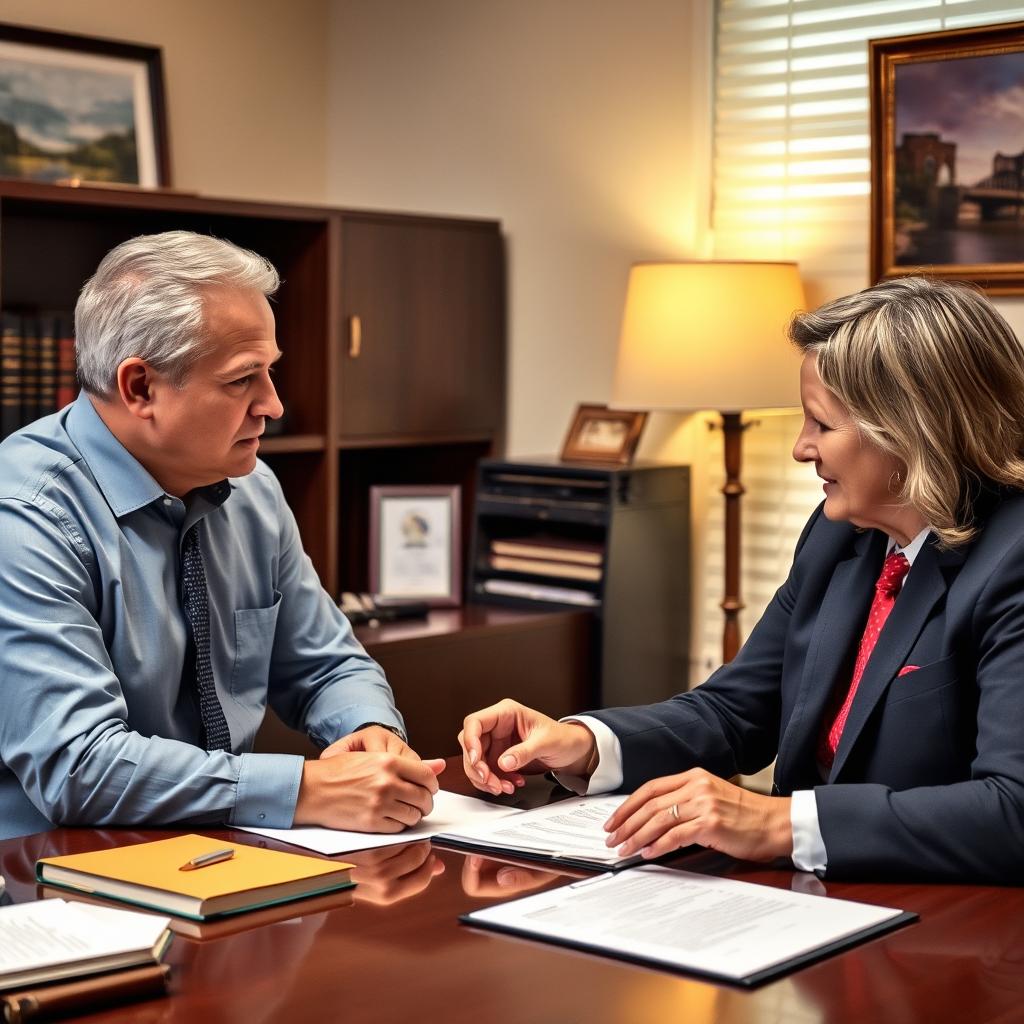
Paternity Lawyer Manassas Park, VA
You might have received a certified letter from the Virginia Division of Child Support Enforcement naming you as an alleged father. Or the mother of a child you believe to be yours just filed a petition in the Manassas Park Juvenile and Domestic Relations District Court, and now you wonder how to protect your relationship with that child. In either case, paternity triggers legal rights and obligations that reach into custody, visitation, and financial support. The process is governed by Virginia Code Title 20, and the outcome influences where your child lives and how you provide for them. Mr. Sris and his Of Counsel at Law Offices Of SRIS, P.C. Concentrate on family law matters in Manassas Park, and we can guide you through each step. Reach our location at (888) 437-7747 to schedule a consultation. Law Offices Of SRIS, P.C. – Advocacy Without Borders.
How a Manassas Park Paternity Case Affects Your Rights
When paternity is legally established in Virginia, the father gains enforceable parental rights and obligations. Without a legal finding, a biological father has no automatic right to custody or visitation. Conversely, a man found to be the legal father can be ordered to pay child support according to Virginia’s guidelines, and his income becomes part of the calculation that determines the monthly obligation. For some families, paternity is the first step toward a custody or visitation schedule. For others, it may arrive as a dispute—perhaps a man challenges whether he is the father, or a mother wants to establish support while the man denies fatherhood. Our firm handles both sides.
Manassas Park, an independent city surrounded by Prince William County, falls within the Thirty-first Judicial District. Although small, the community’s legal matters reach the same courthouse at 9311 Lee Avenue in Manassas that also serves Prince William County. The Juvenile and Domestic Relations District Court hears standalone paternity, custody, and support petitions. Mr. Sris and his Of Counsel are familiar with the local docket and the procedural expectations of that court. Having an attorney who knows what the court expects can help you avoid delays and present your position clearly.
Common Paths Through a Paternity Action
Every paternity case is different, but three broad pathways cover most situations. First, a mother or the Division of Child Support Enforcement may petition to establish paternity and simultaneously seek a child support order. The court typically orders genetic testing, and if the results show a probability of 98 percent or greater, the man is presumed to be the father under Virginia law. Once paternity is confirmed, the judge moves to set support under the statutory guidelines. Second, a man may petition to establish his own paternity so he can pursue custody or visitation—often in a situation where the mother opposes his involvement. Third, a man who doubts he is the father may challenge a paternity claim, and DNA evidence becomes the central issue. In every scenario, the court’s paramount concern is the best interests of the child.
Strategy depends on your goal. If you want to build a relationship with your child, Mr. Sris and his Of Counsel can help you bring a petition to establish paternity and then negotiate a parenting plan or request a custody hearing. If you are responding to a petition and want to ensure the support calculation is accurate, we examine the financial affidavits closely. Because child support in Virginia is based on combined gross income, errors in reported income can significantly change the monthly amount. We also explore whether a deviation from the guideline amount is appropriate under the statutory factors.
What to Expect When You Appear in Manassas Park Court
Your case will be scheduled at the Manassas Park Juvenile and Domestic Relations District Court, which handles all family law matters except divorce. The courtroom is at 9311 Lee Avenue, Suite 230, Manassas. You should plan to attend every hearing; failure to appear can result in a default order. The process usually begins with a petition filed by one party or by the Division of Child Support Enforcement. The court will order genetic testing if paternity is at issue. Once testing is completed and results are reported, the court holds an adjudicatory hearing to determine legal fatherhood. After paternity is established, the judge addresses custody, visitation, and child support—often in the same proceeding if all issues are pleaded.
Virginia procedure requires at least one corroborating witness in an uncontested hearing. In a contested matter, both sides present evidence and may call witnesses. The judge can enter temporary orders for support while the case is pending. Mr. Sris and his Of Counsel prepare every client for what the court expects: punctuality, respectful attire, and clear, truthful testimony. Because the court calendar is demanding, hearings can be brief; presenting your position concisely matters, and we help you organize your thoughts beforehand.
Legal Consequences of a Paternity Determination
Once paternity is adjudicated, the father’s name goes on the birth certificate, and he becomes a legal parent. That status carries several legal consequences. The most immediate is child support: the guideline formula applies, and the obligation continues until the child turns 18 or, in some cases, 19 if the child is still in high school. Health insurance coverage and uninsured medical expenses may also be allocated. The father also gains the right to seek custody and visitation; without a paternity finding, he has no standing to petition for parenting time. In addition, a child born to unmarried parents may gain inheritance rights and eligibility for benefits such as Social Security or veterans’ benefits through the father’s record.
For the mother, establishing paternity opens the door to a child support order that can help cover the costs of raising the child. It also clarifies legal decision-making authority. In some cases, a man who has been acting as a parent but later learns through DNA that he is not the biological father may petition to disestablish paternity. Virginia law has narrow time limits for such challenges, and the court weighs the child’s established relationship heavily. The consequences of a paternity finding are long-lasting, which is why careful legal guidance early in the process can make a substantial difference.
Mr. Sris and His Of Counsel Team
Mr. Sris, Owner and Founder of Law Offices Of SRIS, P.C., has concentrated his practice on family law and related civil matters since 1997. A former prosecutor with extensive trial experience, he brings a strategic perspective to every paternity case. Mr. Sris testified before the Virginia House Courts of Justice Committee in support of 2019 HB 635 (chief patron Del. David Bulova). Together with his Of Counsel, the firm draws on over 120 years of combined legal experience. Results may vary. All attorneys are Of Counsel; the firm employs no associates or junior attorneys. That structure means every client’s matter receives seasoned attention. Mr. Sris is admitted in Virginia, Maryland, the District of Columbia, New Jersey, and New York.
Mr. Sris and his Of Counsel have documented 4,739+ case results across all practice areas since 1997. Results may vary. The firm serves Manassas Park from its Fairfax location, and consultations are available by appointment. Spanish, Tamil, French, and Portuguese interpretation services can be arranged.
Paternity Questions Clients Often Ask
Who can file a paternity action in Manassas Park?
In Manassas Park, the mother, the alleged father, the child’s guardian, or the Virginia Division of Child Support Enforcement can file a petition to establish paternity. The case is heard in the Juvenile and Domestic Relations District Court. If the child receives public assistance, the Division often initiates the action. An unmarried father who wants custody or visitation can also petition, even if the mother has not sought support. The petitioner must file in the jurisdiction where the child resides or where the respondent lives.
How is paternity proven in a Virginia court?
Paternity is usually proven through genetic testing ordered by the court, with a DNA probability of 98 percent or higher creating a legal presumption of fatherhood. The court can order mother, child, and alleged father to submit to testing. If the man refuses, the court may enter a default finding. Once testing confirms paternity, the judge enters an order establishing legal paternity. The test results are admissible as evidence and are highly persuasive.
Does a paternity finding automatically give me custody or visitation?
Establishing paternity gives a father the right to petition for custody and visitation, but it does not automatically grant parenting time. The father must then file a separate motion or include custody and visitation requests in the same proceeding. The court determines parenting arrangements based on the best interests of the child, considering the ten statutory factors under Virginia Code § 20-124.3. Mr. Sris and his Of Counsel can help you pursue a parenting plan that fits your family’s circumstances.
Can a child support order be set before paternity is established?
No, a child support order cannot be entered against an alleged father until paternity is legally established. The court may, however, enter a temporary support order after paternity is proved but before a final hearing on the amount. Once paternity is adjudicated, support is calculated retroactively in some circumstances, potentially from the date the petition was filed. The court applies the Virginia child support guidelines to determine the monthly obligation.
What if I am listed as the father on the birth certificate but I am not the biological father?
You can challenge paternity in court by requesting genetic testing, but strict time limits apply and the child’s established relationship may influence the court’s decision. Virginia law limits how long after learning of a potential non-paternity a man can seek to disestablish fatherhood. Merely being listed on the birth certificate without a court order or acknowledgment of paternity does not automatically make you the legal father, but once a court order exists, the process becomes more difficult. You should consult an attorney promptly.
How long does a paternity case take in Manassas Park?
The timeline varies by case complexity and the court’s calendar, but many paternity matters resolve within several months if the parties cooperate with testing. Contested cases that involve custody or support disputes can take longer. The court typically schedules DNA testing promptly after receiving the petition. Mr. Sris and his Of Counsel work to move the case forward efficiently while ensuring your rights are protected.
Can paternity be established after the child is an adult?
Yes, paternity can be established even after the child reaches adulthood, but the legal purposes are different. Once the child is 18, child support is generally no longer an issue, but the child may seek to establish paternity for inheritance, medical history, or benefit eligibility. The court may still order testing. The same standard of genetic proof applies.
Do I need a lawyer for a paternity case?
You are not required to have a lawyer, but paternity proceedings involve complex rights that affect your relationship with your child and your finances for years. A misstep—such as missing a hearing or failing to present income documentation—can lead to an unfavorable order. Mr. Sris and his Of Counsel can help you navigate the process, prepare your case, and represent you at court. For a consultation, reach Law Offices Of SRIS, P.C. at (888) 437-7747.
What if the alleged father lives in another state?
Virginia can still assert jurisdiction, and interstate paternity actions are handled under the Uniform Interstate Family Support Act (UIFSA). The Manassas Park court can order genetic testing and, if paternity is established, can enforce a support order across state lines. Coordination with the other state’s child support agency may be necessary, but Mr. Sris and his Of Counsel have experience managing multi-jurisdictional family law matters.
Will my paternity case be public record?
Paternity cases in Virginia Juvenile and Domestic Relations District Court are generally closed to the public, and records are not open for casual inspection. Parties to the case, their attorneys, and certain authorized agencies can access the file. However, if custody or support orders are later docketed in Circuit Court, the record may become more accessible. Mr. Sris and his Of Counsel can explain the privacy protections that apply to your matter.
How does paternity affect a father’s obligation to pay birth-related expenses?
Once paternity is established, the court may order the father to reimburse a portion of the mother’s pregnancy and childbirth expenses. This is separate from ongoing child support and is often claimed in the initial petition. The amount is determined based on the father’s ability to pay and the reasonableness of the expenses. Documentation of medical bills is required.
Can a mother waive child support if paternity is established?
In Virginia, child support belongs to the child, not the parent, so a mother cannot unilaterally waive it if the child receives public assistance. Even in private cases, the court must approve any agreement that deviates from the guideline amount. A parent can agree to a support amount, but the court will examine whether it serves the child’s best interests. Mr. Sris and his Of Counsel can help negotiate a fair agreement that the court is likely to accept.
Speak With a Manassas Park Paternity Lawyer
Paternity decisions set the foundation for much of what follows: child support, custody, visitation, and the legal parent-child relationship. Getting it right early can prevent prolonged conflict later. Mr. Sris and his Of Counsel are available to discuss your situation, whether you are seeking to establish paternity, challenge it, or understand your options before a petition is filed. Call (888) 437-7747 to request a consultation. Appointments are by arrangement, and we can meet at our Fairfax location or conduct an initial conversation over the phone. Se habla español.
For a more detailed statutory summary, read our firm’s full family law analysis.
Our Fairfax Location
Law Offices Of SRIS, P.C.
4008 Williamsburg Court
Fairfax, VA 22032
(703) 636-5417
Toll‑free (888) 437‑7747
By appointment
Related practice-area pages:
Family Law Lawyer Fairfax County · Family Law Lawyer Prince William County · Family Law Lawyer Manassas (City) · Family Law Lawyer Falls Church · Family Law Lawyer Fairfax City
Virginia primary sources: Virginia Code Title 20 (Domestic Relations) · Virginia Juvenile and Domestic Relations District Courts · Virginia Division of Child Support Enforcement
Attorney advertising. Prior results do not guarantee a similar outcome. Results may vary.
Case results depend on a variety of factors unique to each case.